
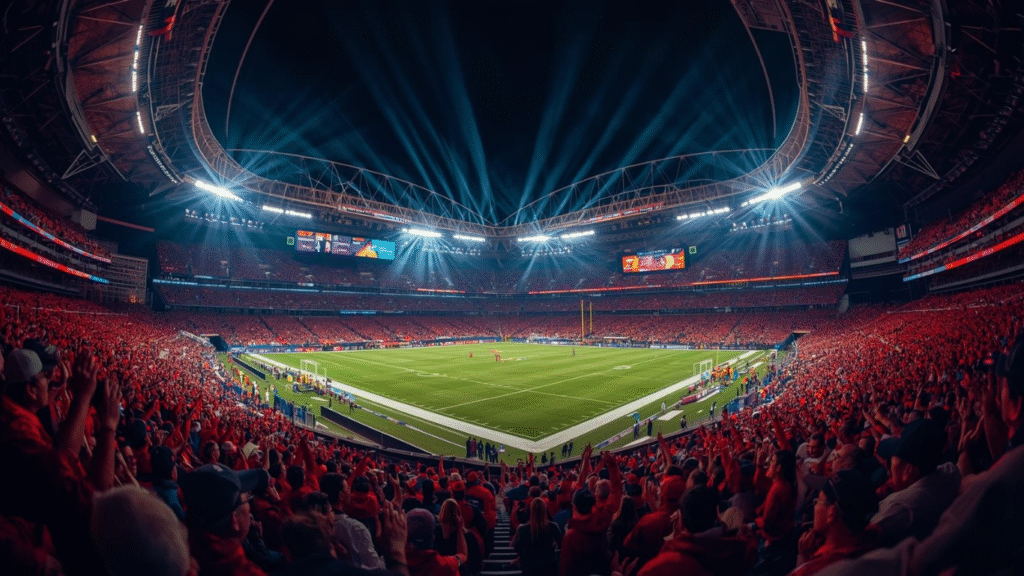
Live sports broadcasting has undergone massive changes in the past decade, and the driving force behind this transformation is the rapid advancement of LED technology. From stadium LED walls to perimeter advertising boards, scoreboards, fan engagement displays, and broadcast studio backdrops, LED screens have become an essential component of modern sports entertainment. They enhance how fans experience games in stadiums, improve how broadcasters capture the action, and significantly increase revenue opportunities for sports organizations.
As global demand for high-quality, immersive sports content grows, LED displays continue to shape how games are delivered to audiences both on-site and through livestreams. This article explores the profound impact LED technology has made on the sports industry and how it continues to redefine the future of live sports broadcasting.
1. Brighter and More Immersive Stadium Viewing
One of the most noticeable improvements LED technology has brought to sports broadcasting is the enhanced stadium experience. Modern stadiums now use large, ultra-bright LED screens to ensure that every spectator—regardless of their seat—can enjoy clear and detailed visuals. These screens display:
– Live video feed
– Instant replays
– Game highlights
– Player statistics
– Slow motion analysis
– VAR reviews
– Crowd animations
LED screens deliver exceptionally high brightness levels, making them fully visible even under direct sunlight. This is crucial for outdoor sports like football, baseball, and motorsports. With LED screens offering brightness levels of over 5,000 nits, fans never miss a moment of the action.
Event organizers and stadium managers often collaborate with professional LED providers like Meta Creative Indonesia, which offers advanced display solutions for sports venues. Learn more at https://metacreative.co.id.
2. Enhancing Live Broadcast Quality
Modern audiences expect flawless visuals when watching sports on TV or online. LED technology plays a crucial role in ensuring broadcast quality is crisp, smooth, and visually appealing. Key improvements include:
High Refresh Rates
LED screens with refresh rates above 3,840 Hz prevent flickering during high-speed camera movements. This is vital during slow-motion replays and rapid gameplay sequences.
Better Color Accuracy
LED displays deliver superior color reproduction, ensuring that the broadcast looks consistent across different camera angles. This enhances the clarity of jerseys, field colors, and advertising boards.
Higher Resolution
4K and even 8K-capable LED panels provide broadcasters with extremely detailed visuals, making close-up shots and player movements more lifelike.
Modular Flexibility
LED screens can be shaped and sized to fit various broadcast environments, from studio backdrops to sideline displays.
These improvements allow broadcasters to deliver visually stunning coverage that meets the expectations of modern viewers.
3. Dynamic LED Perimeter Advertising Boards
One of the most commercially impactful innovations in sports broadcasting is the rise of LED perimeter advertising boards. These digital boards surround the playing field and display rotating advertisements throughout the event.
Why LED Perimeter Boards Matter:
– Multiple Ads Per Game: Unlike static banners, LED boards can rotate ads every few seconds, increasing advertising inventory.
– Targeted Campaigns: Sponsors can display ads relevant to specific match timings or audience demographics.
– International Broadcasting Adaptation: Ads can be digitally replaced for different broadcasting markets, maximizing global revenue.
– High Visibility: LED brightness ensures ads appear vivid both in-stadium and on TV broadcasts.
Sports leagues worldwide rely heavily on LED perimeter ads for revenue generation. The digital nature of these boards allows teams, leagues, and brands to create more dynamic marketing strategies.
4. Improved Fan Engagement Through Visual Effects
Modern sports entertainment is no longer just about the game—it’s about creating an experience. LED screens contribute significantly to fan engagement by displaying:
– Goal celebration graphics
– “Make Some Noise” animations
– Player introduction videos
– Fan cam highlights
– Social media interactions
– Countdown timers
– Stadium lighting effects
These features enhance audience participation and create unforgettable moments during key game highlights.
Some stadiums even use synchronized LED lighting effects across multiple screens to amplify crowd energy. Providers such as Meta Creative Indonesia specialize in creating custom visual experiences for venues—details available at https://metacreative.co.id.
5. Revolutionizing Scoreboards and Control Rooms
Scoreboards have evolved far beyond simple digital numbers. Today’s LED scoreboards can display:
– Real-time score updates
– Team logos
– Player photos
– Match statistics
– Sponsored content
– Live camera footage
LED scoreboards integrate directly with broadcast control rooms, allowing operators to switch between graphic overlays, animations, and live video feeds seamlessly.
This ensures spectators always receive the most up-to-date and engaging information. Large LED scoreboards also help shape stadium identity, giving each venue a unique visual signature.
6. LED Virtual Advertising and Broadcast Overlay Technology
One of the emerging innovations in sports broadcasting is virtual LED advertising. This system allows broadcasters to overlay digital advertisements onto LED boards during live matches. Different regions watching the same match can see entirely different advertising campaigns.
For example:
– Viewers in Europe may see European brands
– Viewers in Asia may see Asian sponsors
– Stadium spectators see the default ads
This multi-layered monetization dramatically increases revenue for sports organizations and creates highly targeted marketing opportunities.
7. Studio and Commentary Set Enhancements
LED technology is also changing the way commentary boxes and sports studios are designed. LED walls are now used as:
– Background displays for discussions
– Interactive touchscreens for analysis
– Virtual set extensions
– Immersive backdrops for interviews
These LED integrations make studio-based sports commentary more dynamic and visually engaging.
8. Supporting High-Speed and High-Dynamic-Range Cameras
Modern sports are fast. Extremely fast. Cameras capturing these moments require LED screens capable of keeping up. LED displays support:
– HDR (High Dynamic Range)
– High frame rate broadcasting
– Ultra-high refresh rates
– Motion-enhanced color calibration
This makes fast-paced sports like football, basketball, Formula 1, tennis, and ice hockey more enjoyable to watch.
The synergy between LED technology and high-speed sports cameras ensures every replay, highlight, and camera angle appears smooth and flicker-free.
9. LED Floors and 3D Court Graphics
A growing trend in sports entertainment involves LED floor screens and 3D graphic projection. Some arenas integrate LED floors capable of displaying:
– Live tactical diagrams
– Dynamic lighting effects
– Team branding
– Player motion tracking
– Real-time visual animations
While still in early adoption phases, this trend will likely become mainstream in future sports arenas, further enhancing fan immersion.
10. Redefining Stadium Atmosphere and Global Branding
Stadium LED screens have become an essential part of a sports team’s brand identity. They help create memorable atmospheres and strengthen the emotional connection between fans and the team.
LED displays contribute to:
– Stadium-wide color themes
– Synchronized lighting shows
– Pre-game hype reels
– Halftime performances
– Sponsor activations
When combined with lighting systems, audio effects, and pyrotechnics, LED technology delivers a complete multi-sensory experience.
If you’re interested in stadium lighting or LED facade systems, you can learn more at https://metacreative.co.id.
Conclusion
LED technology has transformed live sports broadcasting and stadium entertainment on a global scale. It enhances visibility, improves broadcast quality, increases advertising opportunities, and elevates the overall atmosphere for spectators. From gigantic stadium screens to virtual advertising overlays and advanced studio LED walls, the impact of LED displays continues to grow with each technological advancement.
As fans demand more immersive and interactive experiences, LED technology will remain at the forefront of innovation in the sports industry. Whether enhancing live action, boosting engagement, or redefining how sports are commercialized, LED screens play a central role in shaping the future of sports broadcasting.
For stadiums, event organizers, and sports production companies looking to integrate advanced LED systems, partnering with professional providers like Meta Creative Indonesia ensures high-quality installation, reliable service, and long-term value. Visit https://metacreative.co.id to explore solutions for LED displays, lighting systems, and AV integration tailored for sports environments.