
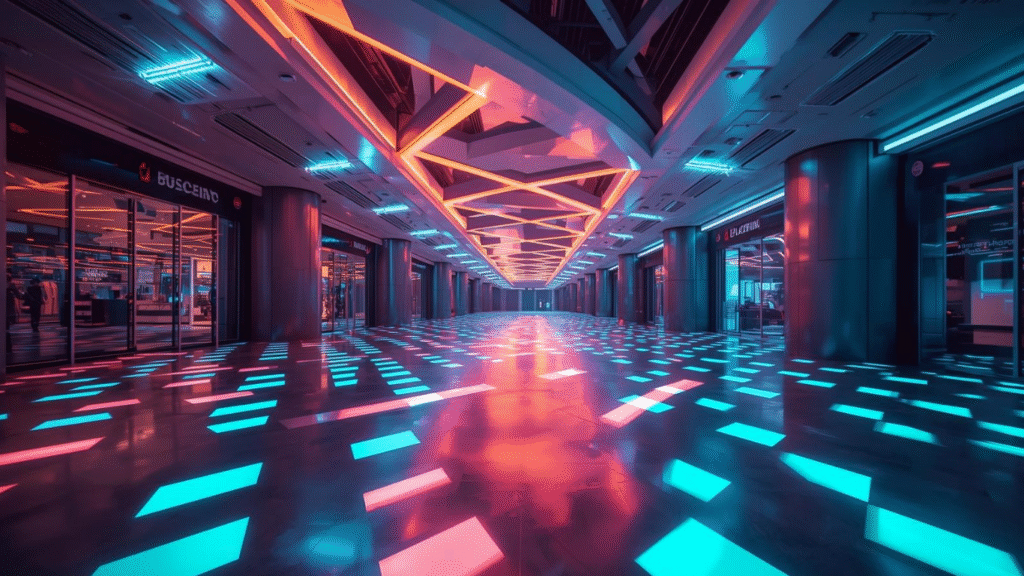
Multi-story building facade lighting is more than just an aesthetic element; it’s an architectural signature in the urban landscape. However, the significant energy consumption required poses a challenge for building managers striving to balance visual impact with electrical efficiency. This article explores intelligent strategies to implement stunning facade lighting without overburdening your operational budget.
Why Energy Efficiency in Facade Lighting is Crucial
Before diving into the savings tips, it’s essential to understand why energy efficiency in facade lighting is so critical:
-
Significant Operational Cost Reduction
-
Contribution to Sustainability Goals and Green Building Certifications
-
Compliance with Government Regulations on energy efficiency
-
Enhanced Corporate Image as an environmentally responsible entity
7 Tips to Optimize Building Facade Lighting and Save Electricity
1. Switch to More Efficient LED Technology
Modern LED lights consume 50-70% less energy than conventional lighting technologies. Beyond energy efficiency, LEDs also offer:
-
A longer lifespan (up to 50,000 hours)
-
Better color and intensity flexibility
-
Superior directional lighting capabilities, reducing light waste
2. Implement Smart Lighting Control Systems
Automated control systems can optimize energy use through:
-
Scheduling Timers that align with operational hours
-
Photocell Sensors that automatically adjust intensity based on ambient light
-
Motion Sensors that activate lighting only when needed
-
Remote Monitoring and Control via digital platforms
3. Strategic and Focused Lighting Design
Instead of illuminating the entire building surface, adopt a strategic approach:
-
Highlighting Key Architectural Features
-
Grazing Technique to create dimension with minimal energy consumption
-
Silhouetting to create visual drama with low energy use
-
Selective Illumination of specific areas only
4. Optimize Fixture Direction and Placement
Proper fixture placement can significantly boost efficiency:
-
Position fixtures as close as possible to the surface being lit
-
Use reflectors and lenses to maximize light output
-
Avoid light trespass into unnecessary areas
-
Utilize existing architectural elements to reflect light
5. Utilize Renewable Energy Sources
Integrate renewable energy sources for your facade lighting system:
-
Solar Panels integrated into the building’s design
-
Small Wind Turbines for tall buildings in windy areas
-
Hybrid Systems that combine multiple renewable sources
6. Regular Maintenance for Optimal Performance
Routine maintenance ensures the system operates at peak efficiency:
-
Regular cleaning of fixtures and lenses
-
Timely replacement of underperforming components
-
Recalibration of control systems and sensors
-
Periodic energy audits to identify improvement areas
7. Adaptive Lighting with Dimming Technology
Adaptive dimming systems allow for:
-
Intensity adjustment based on the day of the week
-
Variation in light levels throughout the night
-
Responsiveness to special conditions (weather, events, etc.)
-
Savings of up to 40% without sacrificing aesthetics
Case Study: Jakarta Office Building Cuts Facade Lighting Costs by 45%
A 30-story office building in Jakarta successfully reduced its facade lighting energy consumption from 45,000 kWh to 24,750 kWh per month after implementing a combination of LED technology, smart control systems, and a redesigned lighting layout. The investment paid for itself in 18 months through electricity cost savings.
The Future of Sustainable Facade Lighting
Facade lighting technology continues to evolve toward higher efficiency with the integration of:
-
Internet of Things (IoT) for real-time optimization
-
Advanced Materials with better reflective properties
-
Energy Harvesting Technologies that utilize movement and temperature differences
-
AI-Powered Optimization that learns from usage patterns
Conclusion
Multi-story building facade lighting does not have to be a major operational burden. Through a strategic approach that combines efficient technology, intelligent control systems, and thoughtful design, high-rise buildings can maintain their visual appeal while significantly reducing energy consumption and environmental impact.
For more information on efficient and innovative architectural lighting design, visit our professional architecture design packages to help bring your building’s lighting vision to life with a sustainable approach.