
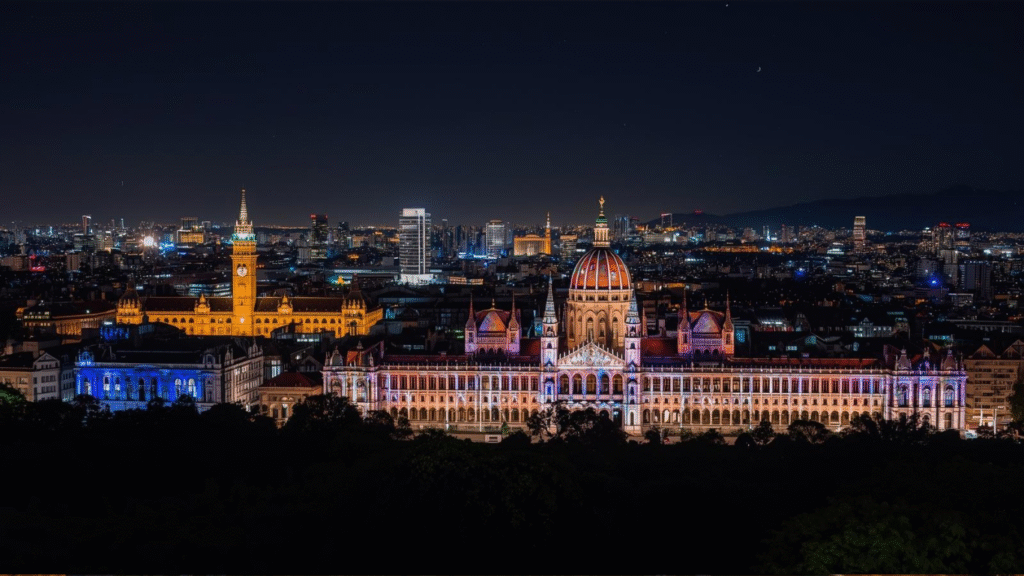
Night Tourism and Its Growing Appeal
Tourism is one of Indonesia’s largest economic drivers, but in recent years, a new trend has emerged: night tourism. Instead of limiting visitor activities to daytime, many destinations are extending their attractions into the evening with the help of LED lighting projects. These initiatives not only enhance aesthetics but also improve safety, promote local businesses, and extend visitor stays.
This case study explores some of Indonesia’s most successful night tourism lighting projects, the technology behind them, and the measurable impact on the tourism sector.
Why Lighting is Crucial for Night Tourism
Night tourism relies heavily on the ability to transform ordinary landscapes into captivating attractions. Without lighting, monuments, parks, and waterfronts fade into the darkness. With innovative LED solutions, however, destinations come alive with vibrant colors, interactive effects, and immersive storytelling.
Key benefits include:
-
Extended Tourism Hours: Attractions remain active well into the evening.
-
Improved Safety: Well-lit environments reduce crime and accidents.
-
Economic Growth: Local restaurants, hotels, and shops see more visitors at night.
-
Cultural Preservation: Lighting highlights heritage sites in visually appealing but non-damaging ways.
Project 1: Borobudur Temple Illumination
One of Indonesia’s most iconic UNESCO World Heritage sites, Borobudur Temple in Central Java, is now illuminated with cutting-edge LED lighting.
-
Technology Used: High-intensity LED floodlights with adjustable tones.
-
Objective: To enhance cultural storytelling while ensuring the stone structures are preserved.
-
Results:
-
Visitor numbers increased by 15% during evening hours.
-
Local hotels and restaurants reported higher nighttime revenue.
-
Heritage conservation experts confirmed no structural harm thanks to eco-friendly lighting.
-
This project demonstrates how modern LED technology can respectfully highlight ancient cultural landmarks.
Project 2: Bali Beachfront LED Displays
Bali is already known as a global tourism hotspot, but its nightlife economy has grown significantly thanks to beachfront LED lighting installations.
-
Technology Used: Interactive LED panels and colorful facade lighting for clubs and restaurants.
-
Impact:
-
The Seminyak and Kuta areas now host light festivals and digital art events.
-
Tourists are staying longer and spending more on food, beverages, and entertainment.
-
Beach safety has improved, reducing nighttime incidents.
-
By blending natural beauty with digital artistry, Bali has successfully positioned itself as a 24-hour destination.
Project 3: Bandung Smart Park Lighting
The city of Bandung has embraced smart city initiatives, and its public parks are shining examples.
-
Technology Used: Smart LED streetlights, interactive displays, and solar-powered fixtures.
-
Objective: To create safe, family-friendly night environments.
-
Results:
-
A 25% increase in evening park visitors.
-
Reduction in nighttime petty crime due to well-lit pathways.
-
Positive community feedback for eco-friendly energy use.
-
This project shows how LED lighting can balance tourism, safety, and sustainability in urban areas.
Economic Impact of Night Tourism Lighting
Lighting projects in Indonesia are not just about aesthetics—they have measurable economic benefits:
-
Increased Visitor Numbers: More attractions open at night means higher ticket sales and local spending.
-
Extended Hotel Stays: Visitors are encouraged to book additional nights.
-
Boosted Local Businesses: Restaurants, cafes, and shops near lit attractions see more customers.
-
Job Creation: Lighting installations and ongoing maintenance create employment opportunities.
For example, after the Borobudur project launched, nearby small businesses reported 20–30% revenue increases from extended tourist activity.
Technology Behind Indonesia’s Success
Indonesia’s night tourism projects rely on advanced LED display and lighting technologies:
-
Energy-Efficient LEDs: Reduce electricity consumption by up to 50%.
-
Smart Controls: Allow color, intensity, and patterns to be adjusted remotely.
-
Interactive Displays: Encourage audience participation, such as touch-sensitive walls or motion-triggered lighting.
-
Sustainable Power Sources: Solar and hybrid energy systems for eco-friendly illumination.
These technologies ensure both long-term cost savings and environmental responsibility.
Sustainability and Safety Considerations
Indonesia has taken care to balance tourism growth with sustainability:
-
Eco-Friendly Installations: Many projects use recyclable LED materials.
-
Solar Integration: Particularly effective in rural or coastal regions.
-
Cultural Preservation: LED lighting avoids heat damage to historical monuments.
-
Community Safety: Well-lit areas reduce crime rates and make tourists feel more secure.
This focus on sustainability ensures that night tourism can grow responsibly while maintaining cultural integrity.
Collaboration Between Government and Private Sector
Successful projects like these are the result of strong collaboration:
-
Government: Provides funding, regulations, and infrastructure.
-
Private Sector: Supplies LED technology, installation expertise, and creative design.
-
Local Communities: Benefit from jobs, training, and business growth.
For example, in Bali, private clubs partnered with government tourism boards to organize annual light festivals, drawing thousands of international visitors.
Lessons Learned from Indonesia’s Night Tourism
-
Strategic Locations Matter: Lighting high-traffic or culturally significant areas maximizes ROI.
-
Technology Must Be Sustainable: Energy efficiency and solar integration reduce costs long term.
-
Community Involvement Boosts Success: Local vendors, performers, and guides thrive alongside lighting projects.
-
Content Is Key: Lighting must tell a story, whether cultural, artistic, or commercial.
Future of Night Tourism Lighting in Indonesia
Looking ahead to 2025 and beyond, Indonesia plans to expand night tourism projects across more cities and islands. Key trends include:
-
Immersive Experiences: Projection mapping and 3D LED installations.
-
Smart Tourism Apps: Allow visitors to interact with lighting displays through their smartphones.
-
Regional Light Festivals: Annual events to attract international tourists.
-
Expanded Eco-Lighting: Wider adoption of renewable energy for public attractions.
These innovations will further solidify Indonesia’s role as a leader in sustainable night tourism.
Conclusion: Lighting Up Indonesia’s Tourism Future
Indonesia’s successful night tourism projects highlight the powerful role of LED lighting in driving economic growth, enhancing visitor experiences, and ensuring community safety. From ancient temples to modern beachfronts, lighting is reshaping how tourists experience the country after dark.
Looking to develop sustainable and impactful lighting solutions? Partner with Meta Creative Indonesia—your trusted expert in LED lighting and display projects that bring destinations to life.